
.
Why Should Boys Have All the Fun?
Golf is having a moment with women. And maybe the reason is much simpler than we think.
Scroll through Instagram or TikTok and you’ll see it everywhere.
A group of guys standing around a golf cart.
Matching outfits.
A weekend away.
A few beers after the round.
Someone filming a ridiculous shot.
Someone else telling everyone how good they’re going to be this year.
There are golf trips with the boys, Sunday rounds with mates, corporate golf days, golf holidays and endless videos of men having an apparently wonderful time doing very little other than hitting a small white ball around a large piece of grass.
And somewhere along the way, women have looked at all of this and presumably thought:
Why should the boys have all the fun?
Because here’s the thing.
Golf isn’t just a sport.
It’s an excuse to spend four hours outside with your friends.
It’s a reason to get out of the house.
It’s competition without having to be an elite athlete.
It’s sunshine, walking, talking, laughing, drinking, travelling and occasionally hitting a shot that makes you feel like Tiger Woods.
And it turns out women quite like those things too.
The numbers are telling us something
The growth isn’t anecdotal.
In the United States, the number of female on-course golfers reached more than 8.1 million in 2025, a 45% increase since 2020.
Women and girls accounted for 52% of the net growth in on-course golf during that period.
Even more interestingly, more than half of the net increase in female participation has come from women under 30. (National Golf Foundation)
And it’s not just adult women.
Girls are becoming one of the fastest-growing parts of the game.
Females under 18 are now the fastest-growing segment of the US golf population, while girls represent approximately 38% of junior golfers. More than 140,000 girls participate in the LPGA*USGA Girls Golf programme each year. (USGA)
That’s not a niche.
That’s a cultural shift.
But why?
This is where I think the golf industry sometimes gets it wrong.
The obvious explanation is that women have been targeted more aggressively by golf brands.
More women’s clothing.
More women’s clubs.
More female coaching programmes.
More women-only events.
All of that matters.
But I don’t think it’s the whole story.
I think something much bigger has happened.
Golf has become cool.
And social media has changed what golf looks like.
For a long time, golf was presented as something you joined.
A club.
A membership.
A handicap.
A dress code.
A four-ball.
A set of rules.
Today, golf can be something you do.
Go to the range with your friends.
Play nine holes after work.
Hire a simulator.
Play a par three.
Go away for the weekend.
Get dressed up.
Take some photos.
Have a drink afterwards.
You don’t necessarily need to become “a golfer” to enjoy golf.
And that is particularly powerful for younger women.
Golf is basically a four-hour Hot Girl Walk
There is a wonderful irony here.
One of the biggest lifestyle trends of recent years has been the “Hot Girl Walk” — women getting outside, walking with friends, listening to music or podcasts, talking, exercising and generally taking some time for themselves.
Now imagine doing that…
…but occasionally stopping to hit a golf ball.
That’s basically golf.
Golf Digest recently picked up on exactly this phenomenon when it explored the rise of golf bachelorette parties and the crossover between social walking culture and golf. One influencer described walking a golf course as essentially a “Hot Girl Walk” with a golf ball thrown into the mix. (Golf Digest)
And perhaps that’s one of the reasons golf works so well for women.
It doesn’t demand that you spend the entire day in a gym.
It doesn’t require you to run 10 kilometres.
You can walk several miles, spend time outdoors, talk to your friends and still have a competitive element.
And if you happen to stripe one down the middle of the fairway?
Even better.
The social side might be the real product
Ask someone why they love golf and they’ll often tell you about the game.
Their handicap.
Their swing.
Their clubs.
Their latest round.
But ask them why they keep playing and the answer is often different.
It’s the people.
The friendships.
The laughs.
The trips.
The ritual.
The feeling of being outside.
Research from the PGA has found that women taking up golf particularly value the challenge of learning, the escape from work and family pressures, being outdoors in nature and the opportunity to meet a new circle of friends. (PGA)
That is an important distinction.
Golf isn’t necessarily selling the golf swing.
It’s selling everything that happens around the golf swing.
And social media has made that visible
This may be one of the biggest changes in golf culture.
For decades, the dominant image of golf was created by golf magazines, television and professional tournaments.
Now the image of golf is also being created by ordinary people.
Young women are documenting their rounds.
They’re sharing outfits.
They’re showing their progress.
They’re posting terrible shots alongside great ones.
They’re organising golf groups.
They’re making golf funny.
They’re making it social.
They’re making it look like something you’d actually want to do.
Golf Monthly recently described female content creators as having a “monumental impact” on participation by making golf look fresh and accessible. (Golf Monthly)
And that’s significant because people don’t just buy products from cultures they understand — they buy into cultures they want to be part of.
Golf is increasingly becoming one of those cultures.
There’s something else going on too
For a young woman, golf can offer something that few other sports or hobbies provide.
It’s social without being entirely social.
Competitive without being aggressive.
Physical without being punishing.
Fashionable without being purely about appearance.
And outdoors without requiring you to be an endurance athlete.
You can be terrible at golf and still have a great afternoon.
In fact, being terrible at golf can be half the fun.
You can laugh about the ball that went 30 yards.
You can celebrate the one that went 150.
You can have a drink afterwards.
And you can come back next week and try again.
That’s a pretty good proposition.
And then there’s the golf trip
This might be the biggest untapped opportunity of all.
Men have understood the golf trip for generations.
Four friends.
A weekend away.
Somewhere warm.
A few rounds.
A hotel.
A restaurant.
A few drinks.
Stories that get progressively less accurate as the weekend goes on.
Why wouldn’t women want the same thing?
They do.
We’re already seeing golf become part of women’s celebrations, including bachelorette parties and group trips. (Golf Digest)
And as more women play, the golf holiday becomes less of an unusual idea and more of a natural extension of the sport.
Imagine the Instagram feed:
“Girls’ golf trip. Portugal. Four days. Three rounds.”
That’s not traditional golf marketing.
That’s lifestyle marketing.
And it could be enormously powerful.
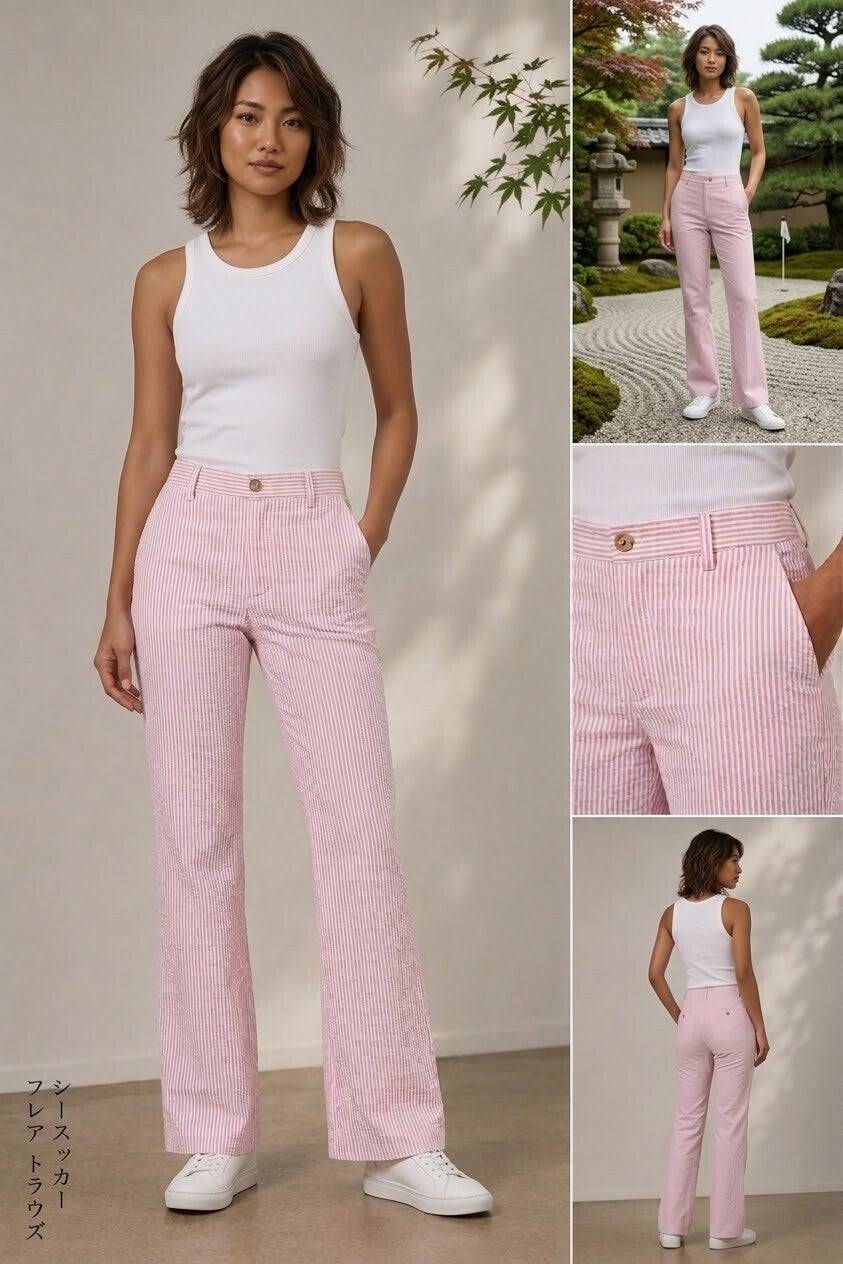
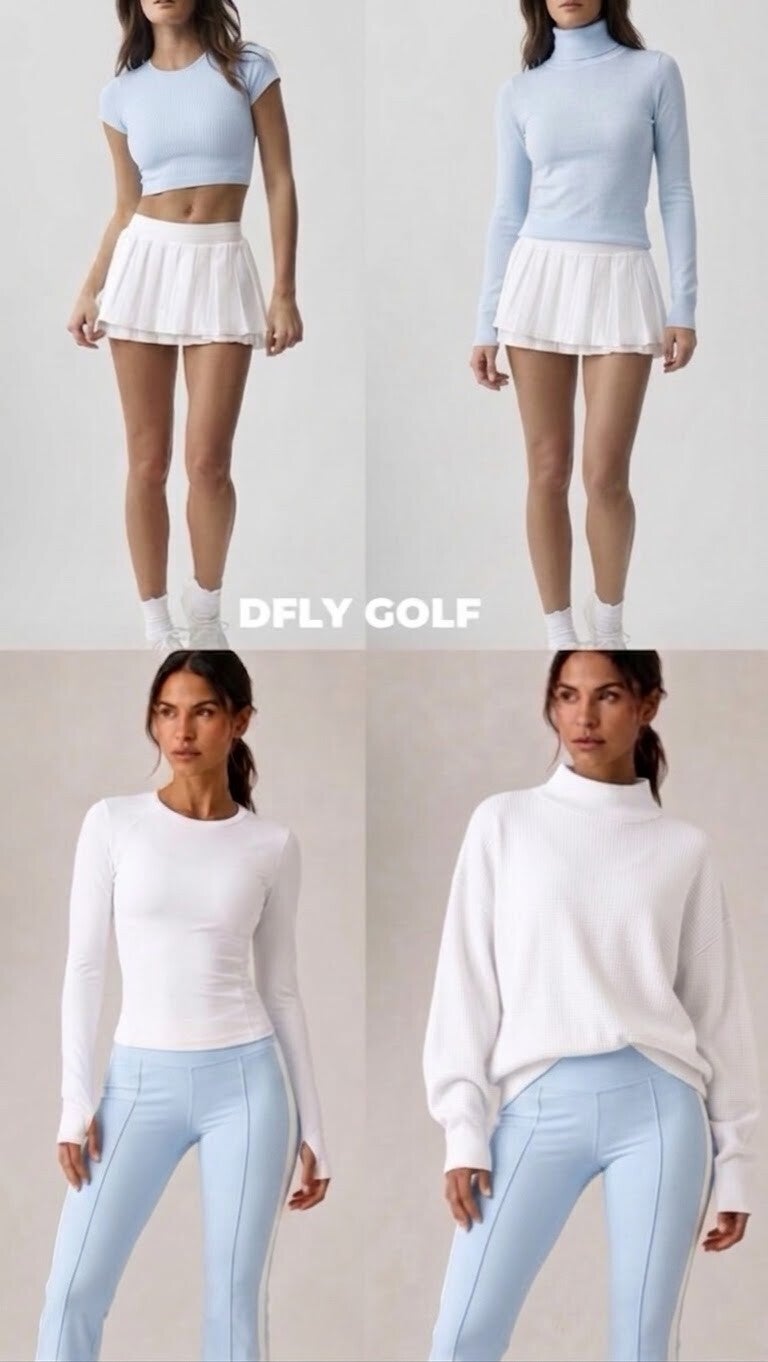
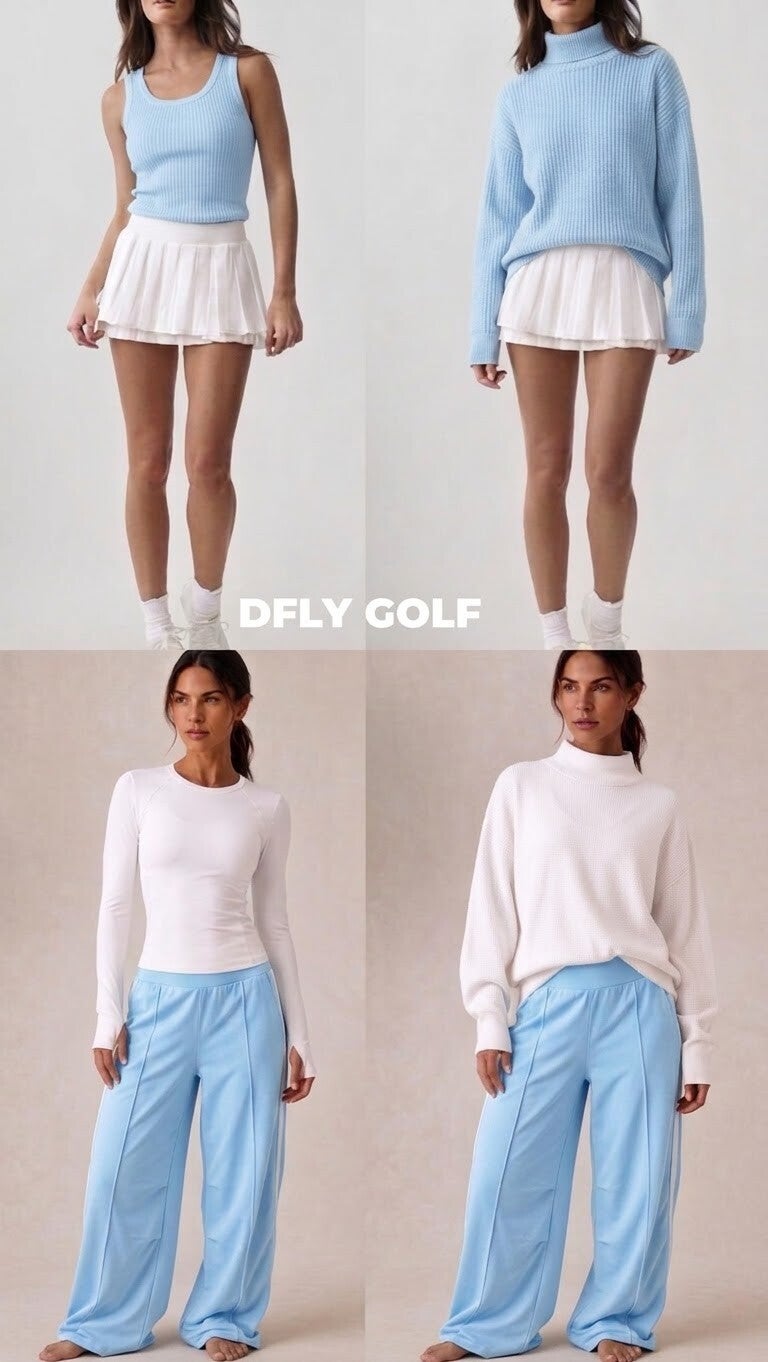
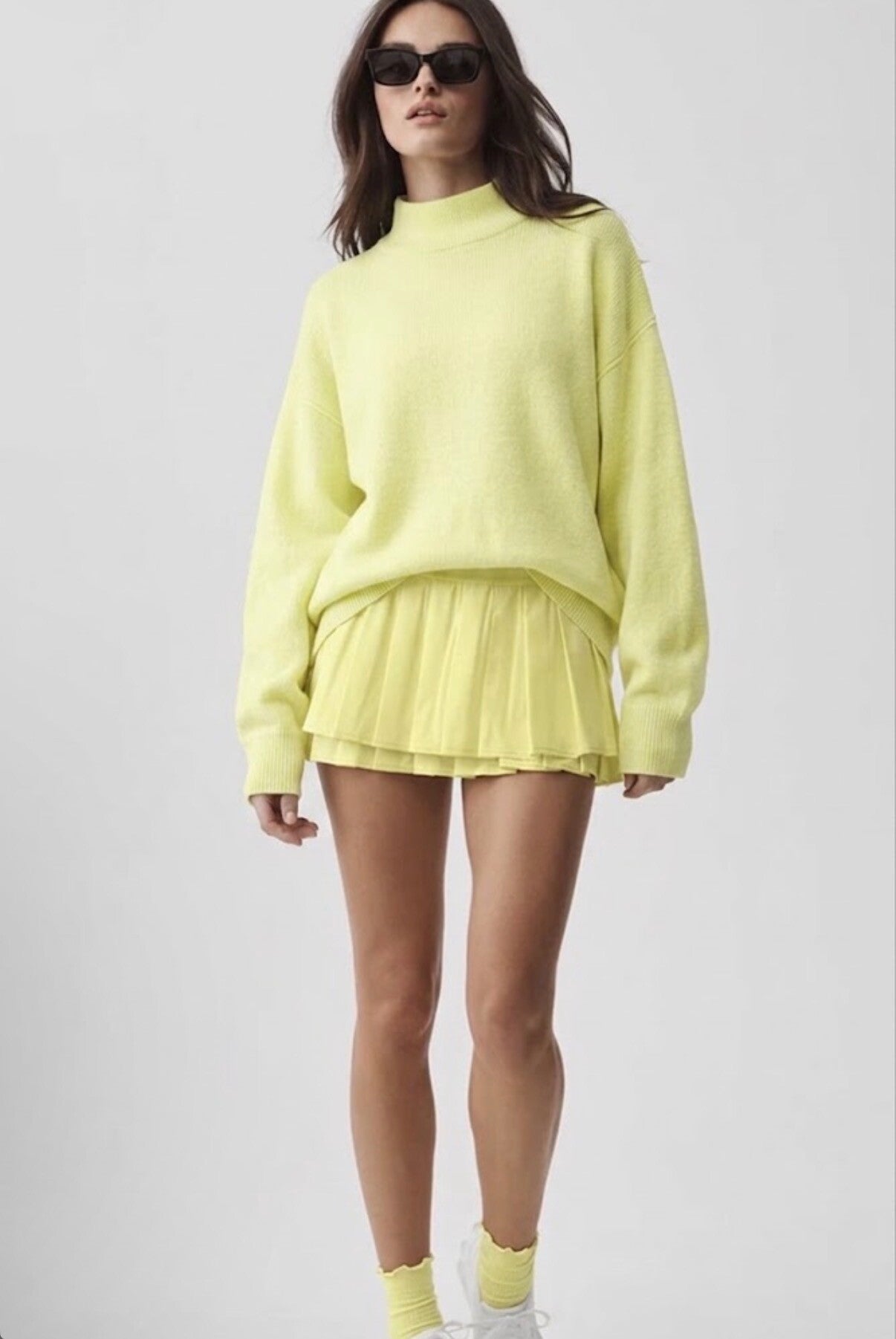
The industry shouldn’t make the mistake of making golf “girly”
This is where I think brands need to be careful.
The answer isn’t to take men’s golf products and make them pink.
Women don’t need a pink version of golf.
They need good golf products.
Products that are lighter.
Comfortable.
Beautiful.
Functional.
Easy to carry.
Easy to travel with.
Products that fit naturally into the way they actually play.
Because the new golfer might not play 18 holes every Saturday.
She might play nine.
She might walk.
She might go to the range.
She might play a par three.
She might play three times a month.
She might go away with friends once a year.
And that doesn’t make her less of a golfer.
It makes her a different kind of golfer.
The next generation won’t ask whether golf is for women
They’ll just play
This is perhaps the most exciting part.
Girls growing up today are seeing women playing golf everywhere.
On Instagram.
On TikTok.
On YouTube.
At school.
At the range.
At Topgolf.
On television.
On holiday.
With their friends.
They’re seeing women who look like them enjoying the game.
And that’s enormously important.
Because when you’re a teenager, you don’t necessarily want to participate in something because someone tells you it’s good for you.
You want to participate because your friends are doing it and it looks like fun.
That’s how cultures grow.
And that’s exactly what seems to be happening with women’s golf.
So why are young women playing golf?
Maybe the answer isn’t complicated.
They’re playing because it’s fun.
They’re playing because their friends are playing.
They’re playing because it gets them outside.
They’re playing because they can dress for it.
They’re playing because they’re competitive.
They’re playing because they can travel with it.
They’re playing because they’ve found communities online.
They’re playing because they can be beginners without having to pretend they’re experts.
And they’re playing because they’ve finally realised something men have known for a very long time:
Golf is a pretty great excuse to spend a day outside with people you like.
So perhaps the question isn’t:
“How do we get more women into golf?”
Perhaps we’ve been asking the wrong question.
The question should be:
“What took us so long to realise women might want to have fun too?”
Because the boys have had the golf trips, the four-balls, the Sunday rounds and the post-round beers for long enough.
It’s time for the girls to take the tee.
Why should boys have all the fun?
Add comment
Comments