When I started DFLY Golf, I wasn't backed by venture capital, private equity, or a large corporate budget.
What I did have was industry experience, a laptop, and access to AI tools that dramatically lowered the cost of building a consumer product brand.
Over the last few years, there has been a lot of discussion about artificial intelligence. Some people see it as a threat. Others see it as a shortcut.
My experience has been different.
AI didn't build my company for me. It didn't negotiate with manufacturers, raise capital, develop supplier relationships, or take any of the risks associated with launching a physical product business.
What it did do was dramatically increase the amount I could accomplish as a solo founder.
This is the story of how I used AI to help build DFLY Golf.
The Traditional Way of Building a Brand
Historically, launching a consumer product company required a significant amount of capital before you ever sold a single unit.
You needed designers to create logos and brand identities.
You needed product designers to help visualize concepts.
You needed agencies for marketing.
You needed photographers for product imagery.
You needed web developers to build an ecommerce website.
You needed copywriters to create product descriptions and marketing content.
Every step added cost.
And those costs eventually made their way into the final retail price paid by customers.
For many entrepreneurs, that upfront expense became the biggest barrier to getting started.
Using AI to Build the Brand Foundation
One of the first places I used AI was during the branding process.
I used AI tools to explore names, logos, visual identities, typography, color palettes, and overall brand direction.
The first concepts weren't perfect.
In fact, many of them were terrible.
But perfection wasn't the goal.
Speed was.
Instead of waiting days between design revisions, I could explore dozens of directions in a single afternoon.
The process felt less like hiring a designer and more like having an endless brainstorming partner available at any time.
The result was faster learning and better decision-making.
## From Idea to Product Render
The biggest impact AI had on the business was during product development.
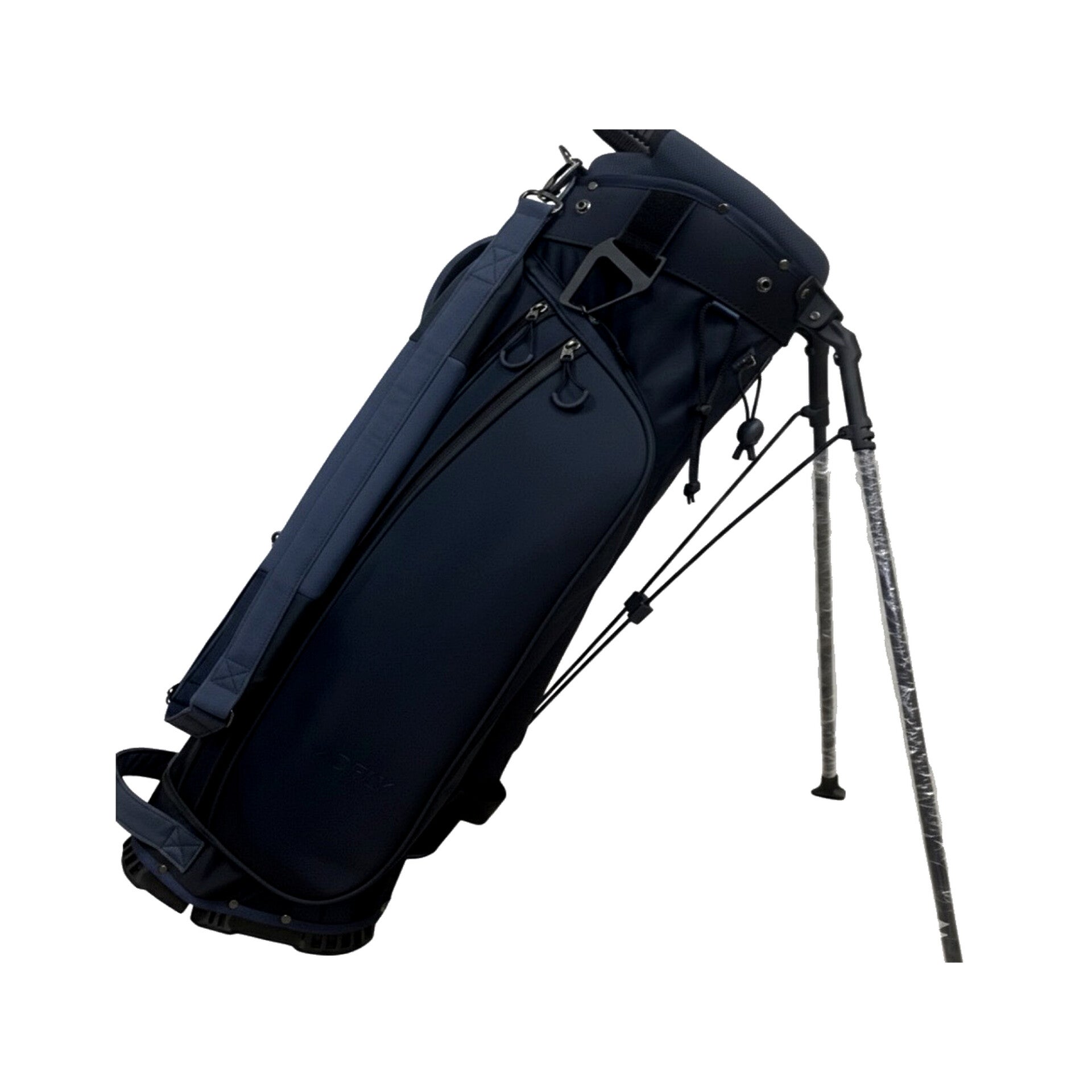
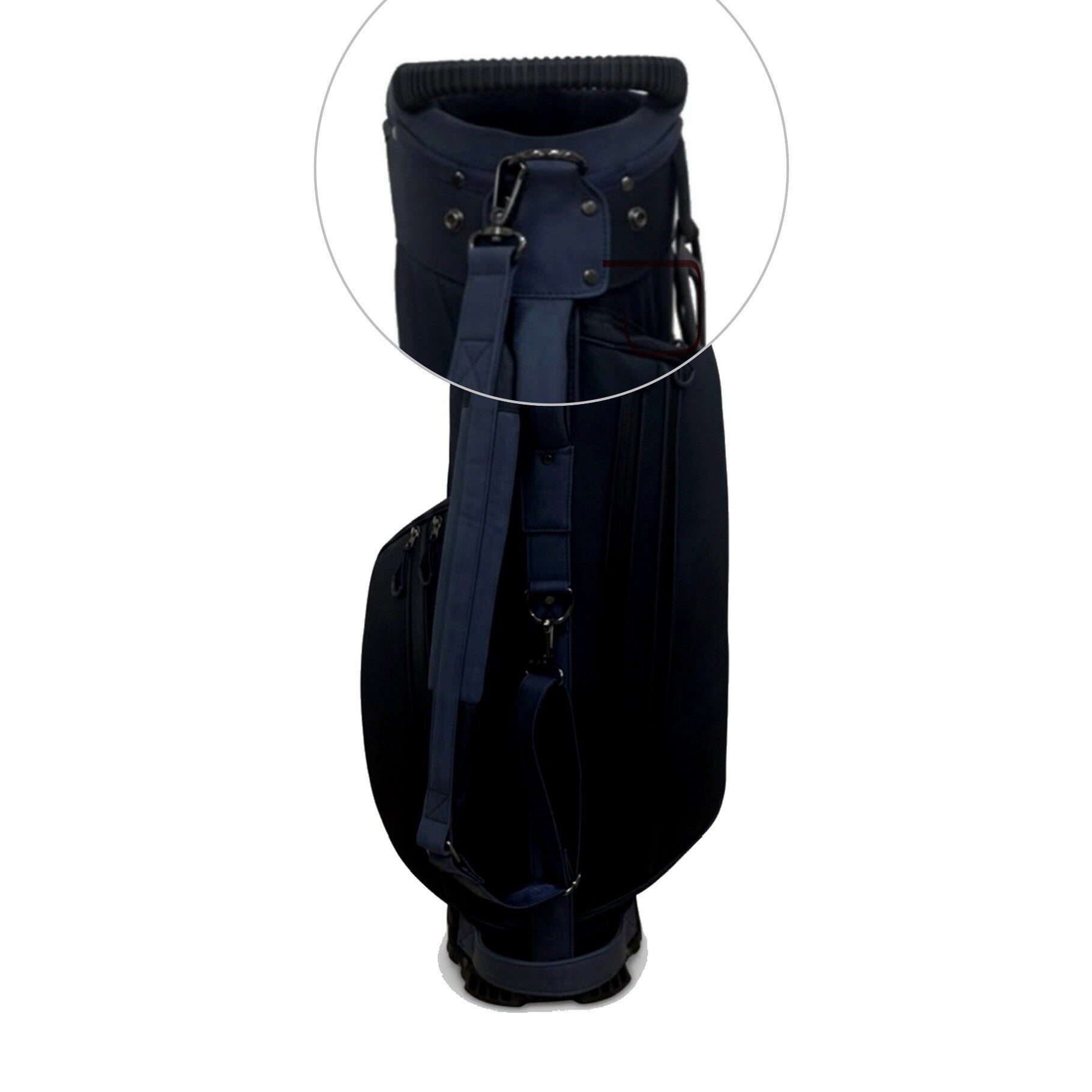
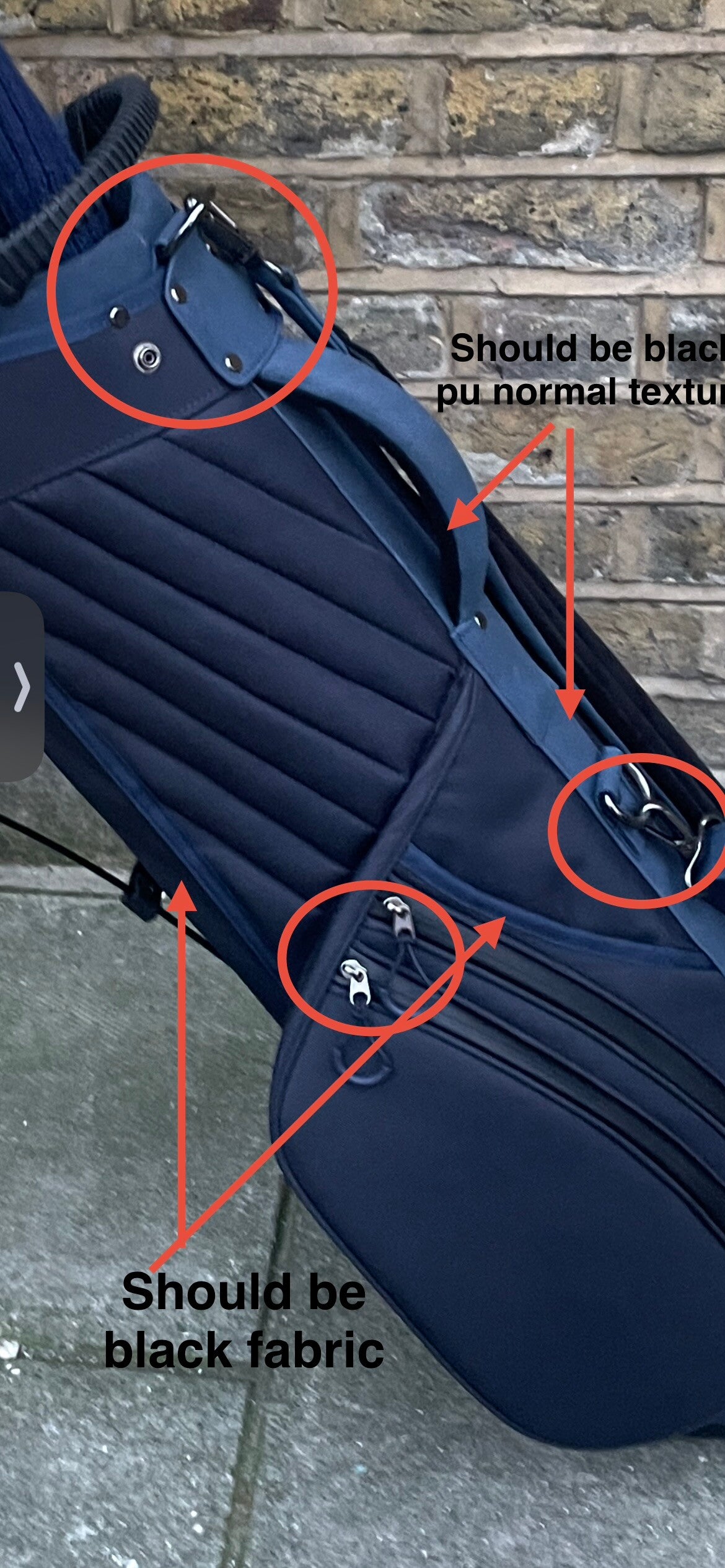
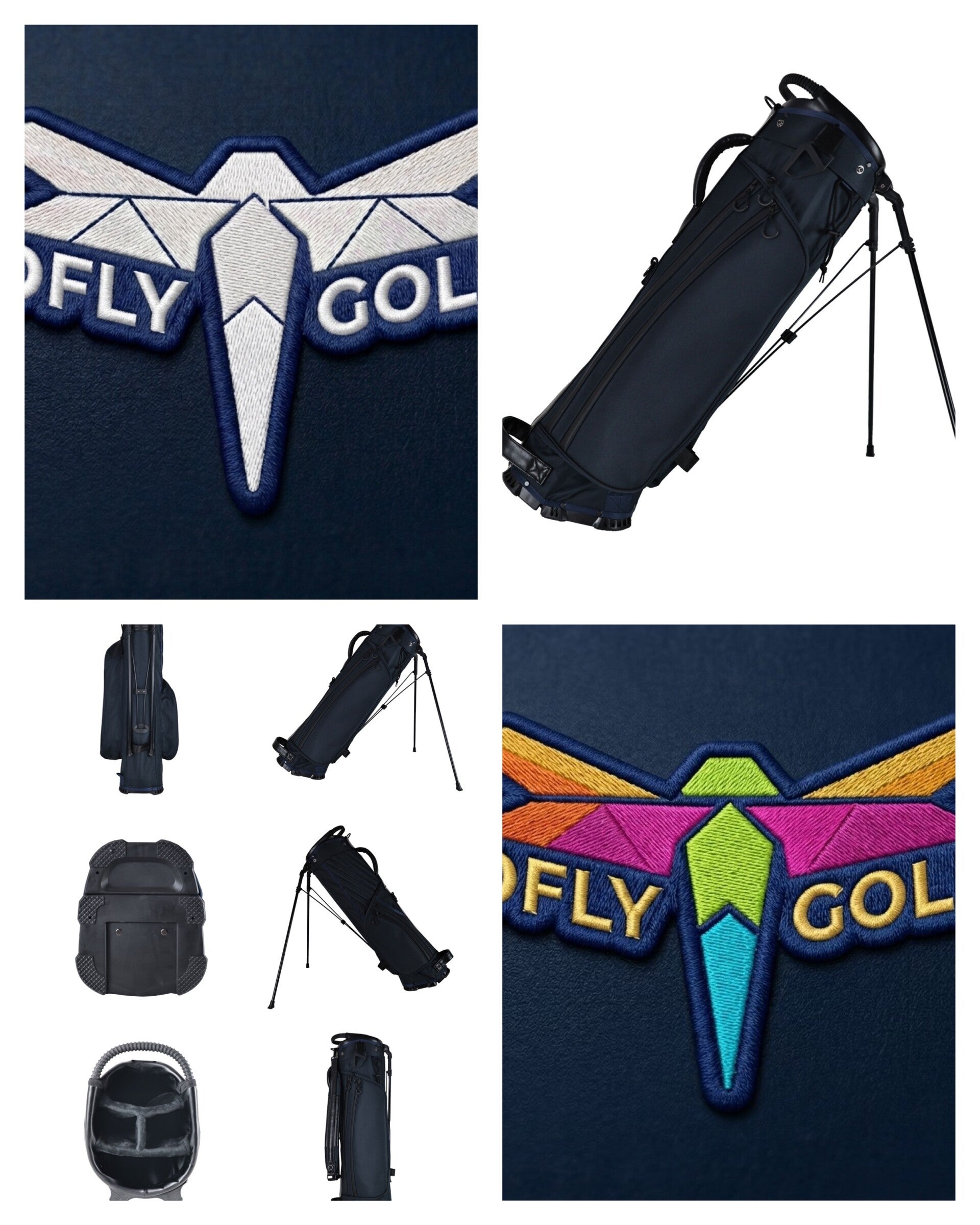
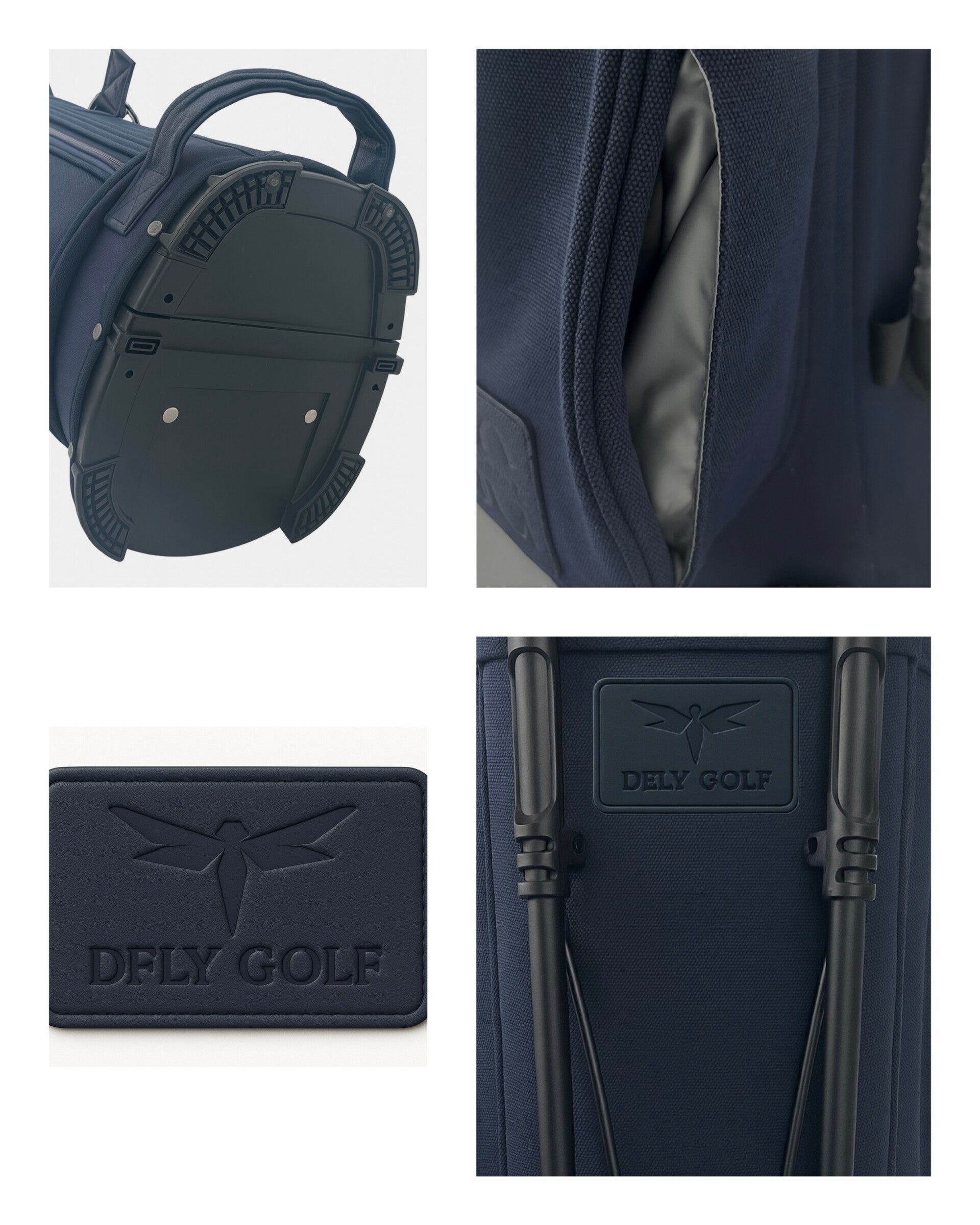
Before contacting manufacturers, I began creating renderings of golf bag concepts.
Pocket placement.
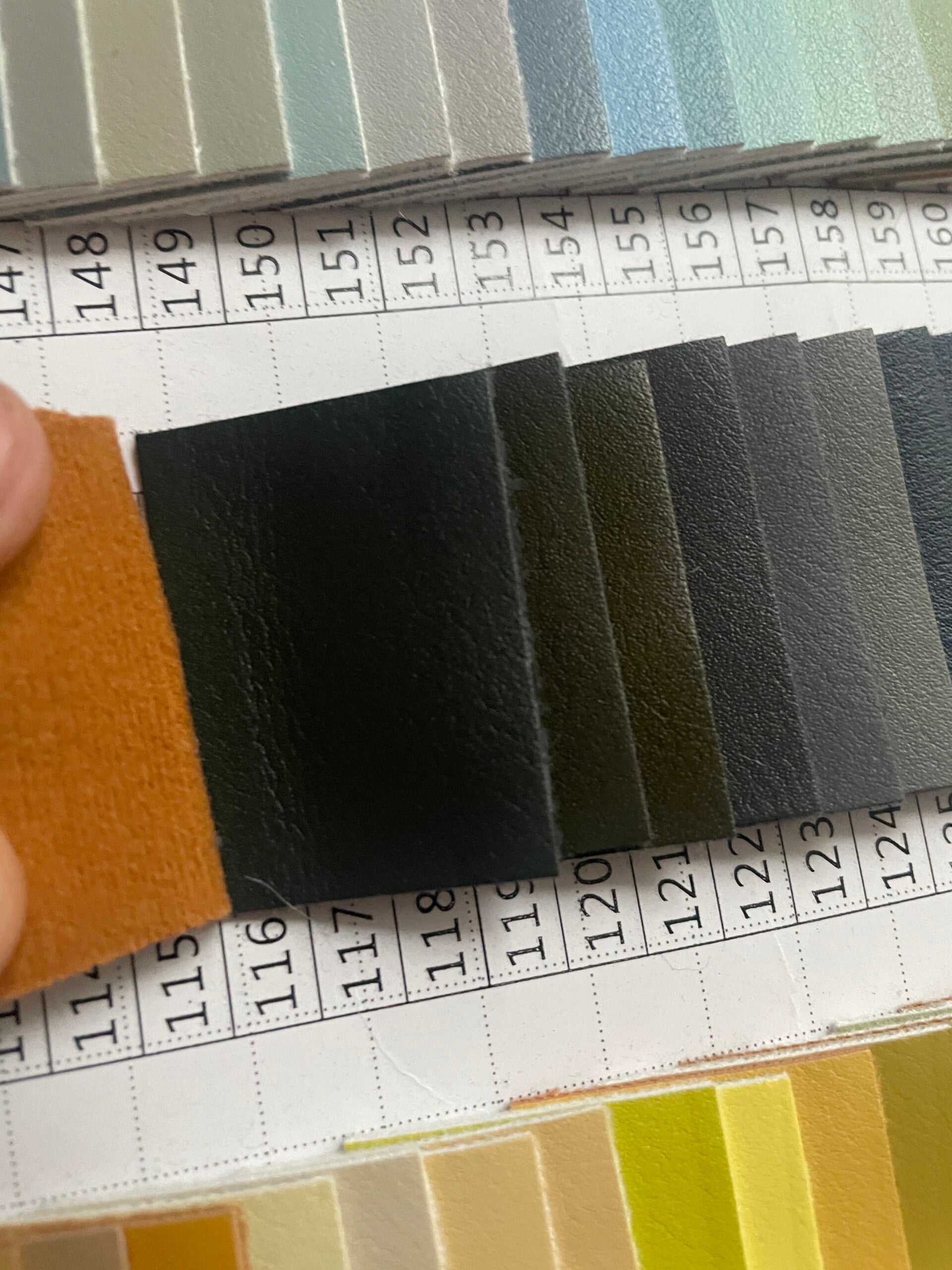
Material combinations.
Divider configurations.
Color options.
Branding locations.
Hardware details.
Features.
Rather than relying solely on imagination, I could visualize ideas before spending money on physical samples.
Some concepts that sounded great in theory looked terrible when rendered.
Others immediately stood out as strong directions.
Every iteration helped refine the product before manufacturing discussions even began.
By the time I approached factories, I wasn't trying to explain an idea.
I was presenting a vision.
That dramatically improved communication and reduced costly misunderstandings.
## AI as a Creative Director's Tool
One advantage I had was my background in advertising and creative direction.
I already understood branding, storytelling, visual communication, and consumer perception.
AI didn't replace those skills.
It amplified them.
Instead of hiring specialists to create the first version of every idea, I could direct AI to generate concepts, evaluate them, refine them, and explore alternatives at an unprecedented speed.
In many ways, AI allowed me to act as my own creative department during the early stages of the company.
That's an important distinction.
The value wasn't that AI was creating ideas on its own.
The value was that it allowed me to execute ideas more efficiently.
## Beyond Product Design
Most people think of AI as a tool for creating images or writing text.
In reality, I used it throughout the business.
Website development.
Product descriptions.
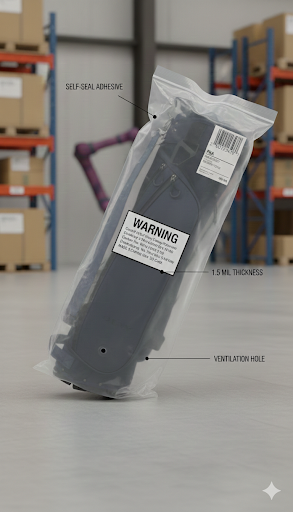
Packaging concepts.
Shipping materials.
Customer communications.
Marketing assets.
Social media content.
Frequently asked questions.
Operational planning.
Like most founders, I was constantly solving new problems.
AI became an incredibly useful assistant that helped accelerate that process.
Not because it always had the answer.
But because it helped me get to better answers faster.
## The Biggest Benefit Wasn't Speed
Most conversations about AI focus on productivity.
But the biggest advantage for entrepreneurs may actually be cost compression.
Ten years ago, creating a product brand could easily require tens of thousands of pounds before production even began.
Design agencies.
Product designers.
CAD specialists.
Copywriters.
Web developers.
Marketing consultants.
Today, many of those early-stage exploration costs can be dramatically reduced.
That doesn't eliminate the need for professional expertise.
Engineers still matter.
Manufacturers still matter.
Product quality still matters.
Execution still matters.
But the cost of experimentation has fallen dramatically.
And that changes everything.
## What This Means for Customers
This is where I think the conversation gets really interesting.
Historically, every layer in the process added cost.
Agencies.
Consultants.
Development firms.
Corporate overhead.
Eventually, those expenses found their way into the retail price paid by customers.
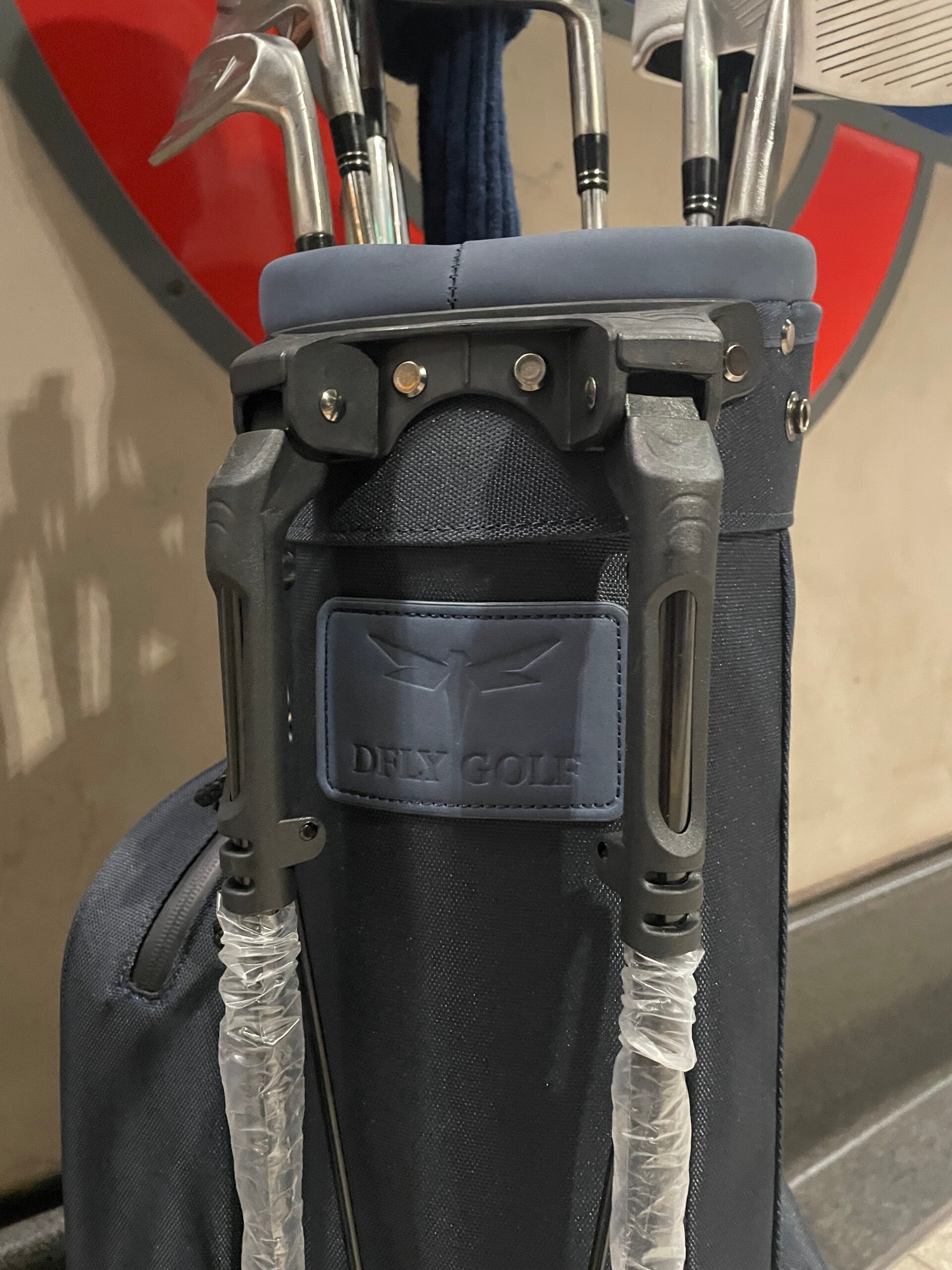
By using AI to reduce much of that overhead during the early stages of building DFLY Golf, I can focus resources where they matter most.
Better materials.
Better functionality.
Better design.
Better product development.
A better customer experience.
The goal isn't to create cheaper products.
The goal is to create better products more efficiently.
Most importantly, it allows me to offer golfers a premium product at a price that can compete with much larger brands.
Looking Ahead
We're entering a period where individuals can build things that previously required entire teams.
The barriers to entry are falling.
The tools are improving.
The opportunities are expanding.
The entrepreneurs who succeed won't necessarily be the ones with the largest organizations.
They'll be the ones who learn how to combine experience, creativity, judgment, and execution with powerful new tools.
That's how I approached building DFLY Golf.
And I believe we're only beginning to see what's possible.
Because in the end, the real opportunity isn't better AI.
It's better products.
Add comment
Comments